
1/3
Promoted
Kampala, Central Division, 57 min ago
1 views
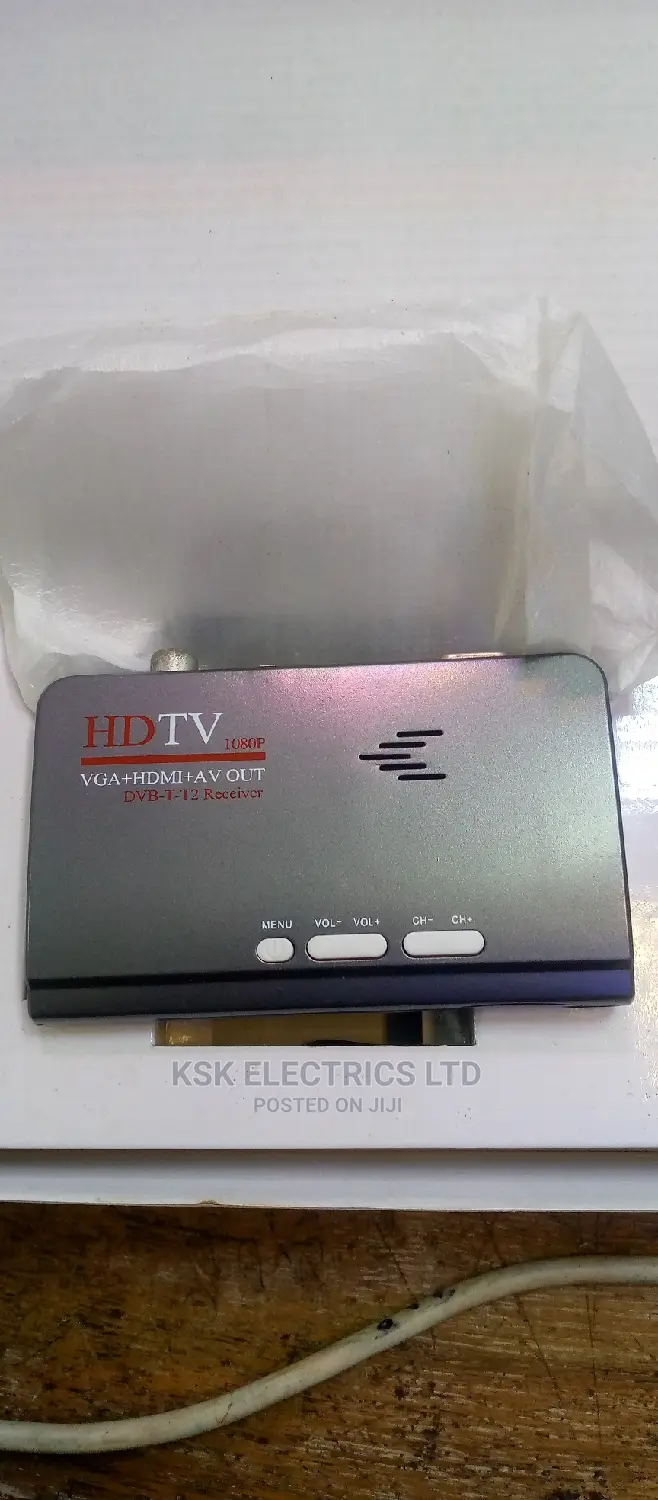
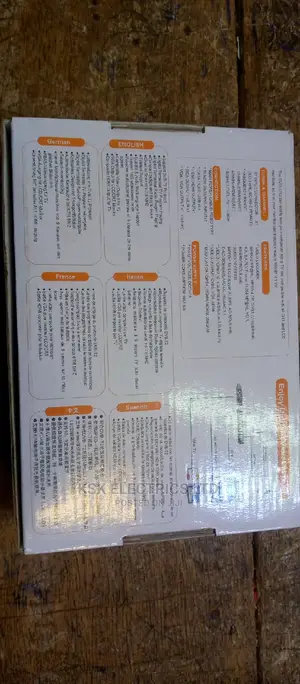
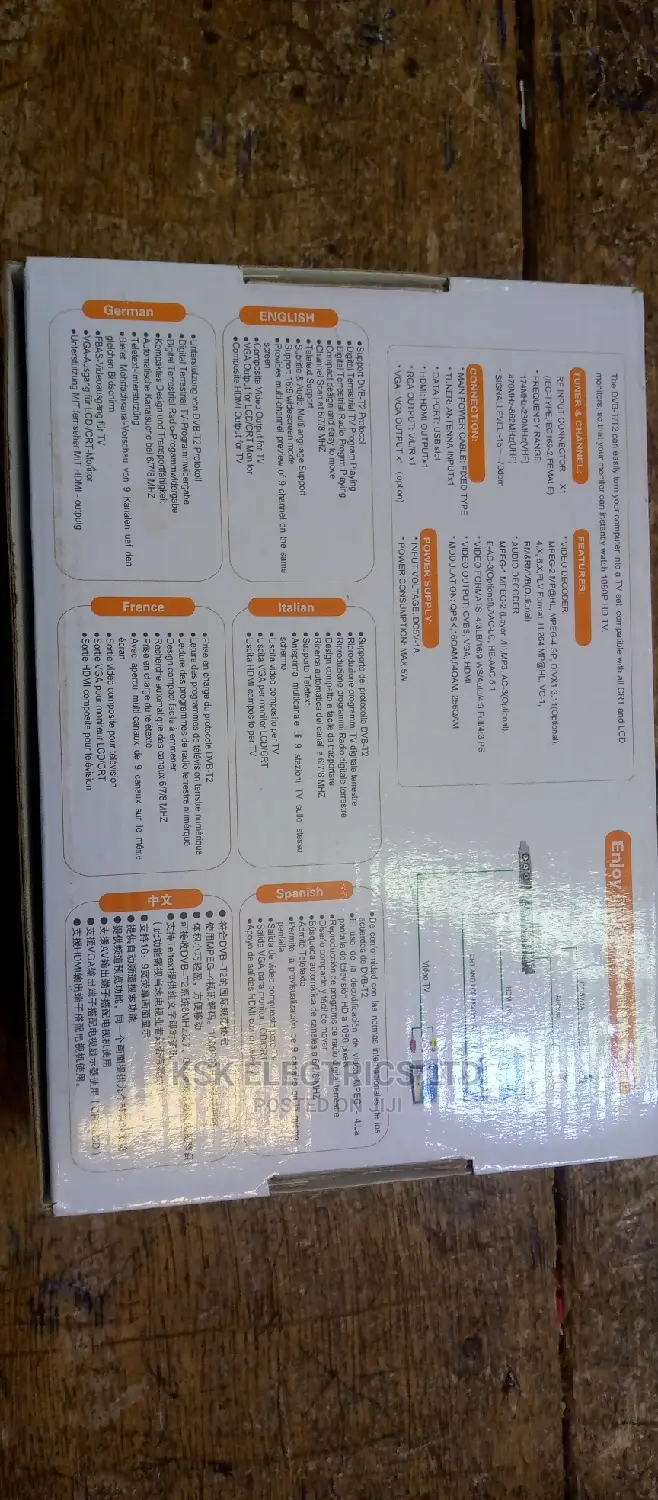
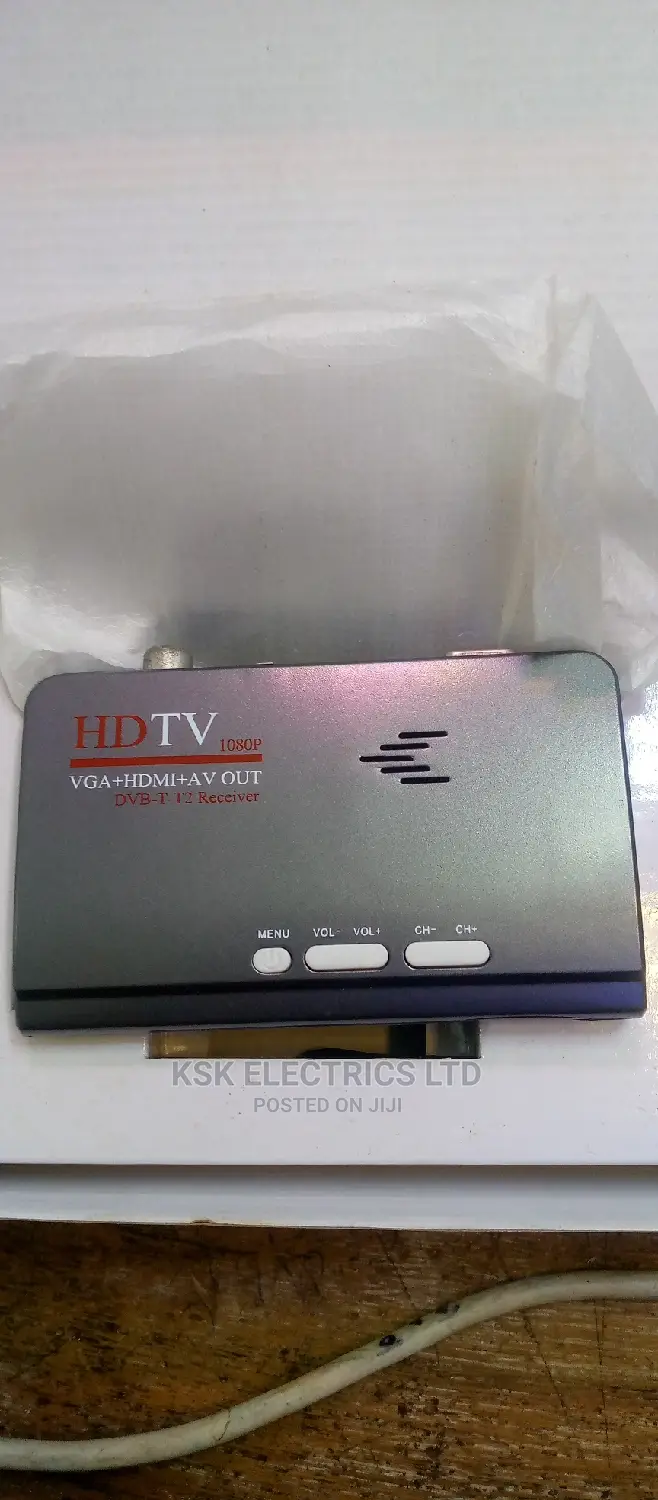
HDTV + Vga+Hdmi+Av Out
Networking Product Accessories
Type
Brand New
Condition
DVB-T-12 RECEIVER
Brand
Store address
Kampala • Central Division
Kampala
call me on
Open
• Mon - Sun, 05:00-23:00
Kampala • Central Division
Kampala,Usifi park opposite conorstone building
Text me or Call or watsp
Closed
• Mon - Sun, 06:00-07:00
DVB-T2 is an abbreviation for "Digital Video Broadcasting – Second Generation Terrestrial"; it is the extension of the television standard DVB-T, issued by the consortium DVB, devised for the broadcast transmission of digital terrestrial television. DVB has been standardized by ETSI.
This system transmits compressed digital audio, video, and other data in "physical layer pipes" (PLPs), using OFDM modulation with concatenated channel coding and interleaving. The higher offered bit rate, with respect to its predecessor DVB-T, makes it a system suited for carrying HDTV signals on the terrestrial TV channel (though many broadcasters still use plain DVB-T for this purpose). As of 2019, it was implemented in broadcasts in the United Kingdom (Freeview HD, eight channels across two multiplexes, plus an extra multiplex in Northern Ireland carrying three SD channels), Italy (Europa 7 HD, twelve channels), Finland (21 channels, five in HD), Germany (six HD (1080p50) channels, with 40 in p
Safety tips
- Avoid paying in advance, even for delivery
- Meet with the seller at a safe public place
- Inspect the item and ensure it's exactly what you want
- Make sure that the packed item is the one you've inspected
- Only pay if you're satisfied


