
Kampala, Central Division, 18 hours ago
27 views
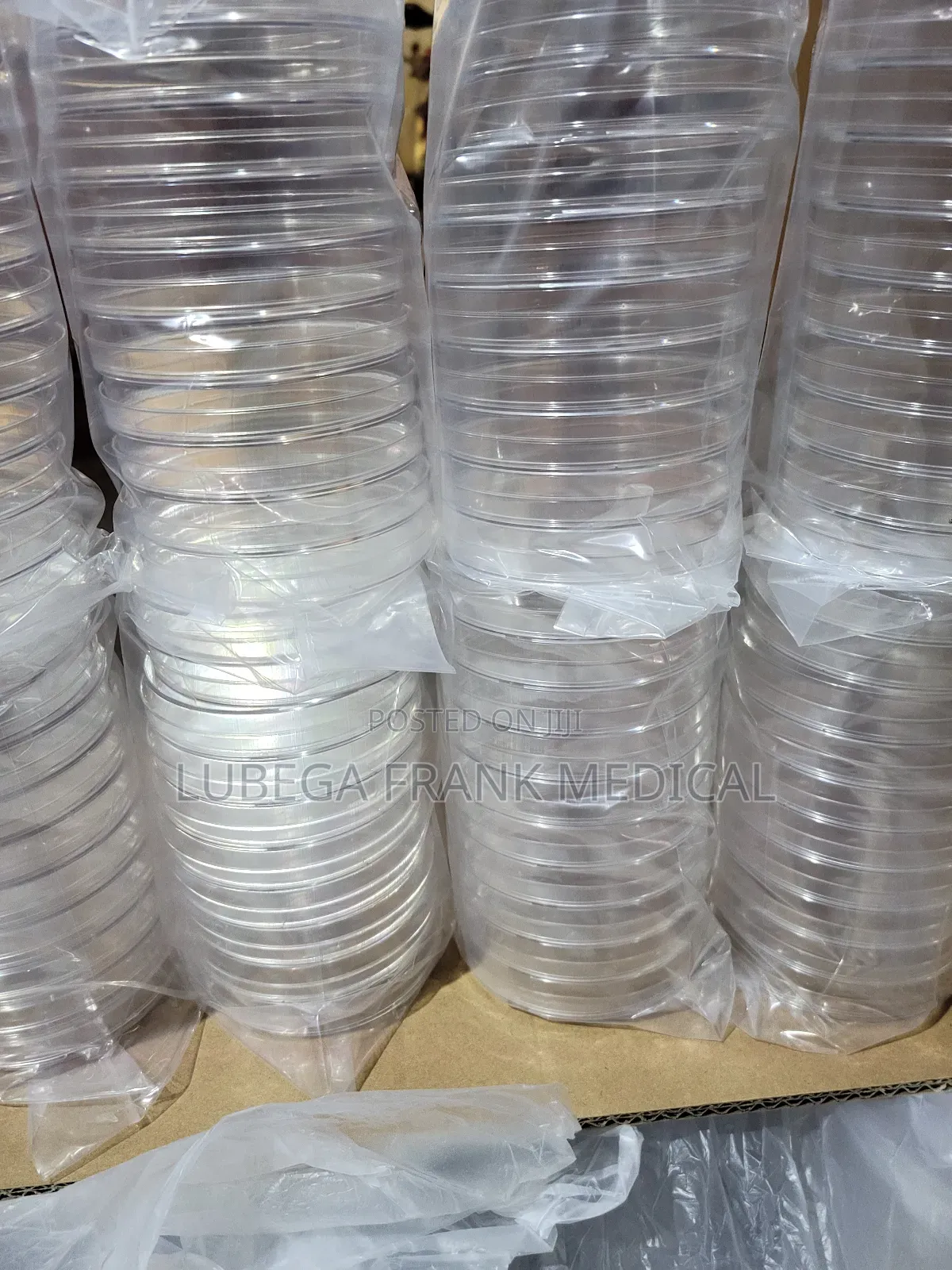
Petri Dishes Shallow
Hospital Equipment
Type
Brand New
Condition
Other
Hospital Equipment Subtype
Store address
Kampala • Central Division
Opposite watoto church along bombo road
Closed now
• Mon - Sun, 08:00-18:00
A petri dish is a shallow, lidded, transparent container, typically cylindrical and made of plastic or glass, used to culture microorganisms and cells on a nutrient-rich agar substrate in a sterile environment. Invented by German microbiologist Julius Richard Petri, these dishes facilitate the growth, observation, and study of bacteria, fungi, and other cells in fields like microbiology and cell biology. They are available in disposable (often polystyrene) and reusable (glass or polycarbonate) forms, with variations like vented lids for gas exchange and different compartment designs for specific applications.
Safety tips
- Avoid paying in advance, even for delivery
- Meet with the seller at a safe public place
- Inspect the item and ensure it's exactly what you want
- Make sure that the packed item is the one you've inspected
- Only pay if you're satisfied


